If you’ve been on TikTok or Reddit in the past year, you’ve seen sleepmaxxing. The hashtag has over 200 million views. The premise is simple: optimize every variable of your sleep environment and routine to get the best possible night’s rest.
Some of it is genuinely backed by science. Some of it is expensive nonsense. Let me break down exactly which is which.
What Sleepmaxxing Actually Is
Sleepmaxxing is the application of biohacking principles to sleep — treating your sleep as a system to be optimized rather than something that just happens to you. At its core the movement is correct: sleep quality is highly variable and highly improvable. Most people are sleeping worse than they could be, and most of the fixes are either free or cheap.
The problem is that TikTok has turned a sensible approach into a product-buying spree. Not everything in the sleepmaxxing stack is worth buying.
What Actually Works (Science-Backed)
Mouth Taping
Controversial but real. Nasal breathing during sleep is associated with better oxygen saturation, lower cortisol, and less snoring. Mouth taping — using a small piece of surgical tape to encourage nasal breathing — costs almost nothing and has measurable benefits for most people. Start with a small piece of micropore tape vertically across the lips, not horizontally sealing the mouth shut.
Magnesium Glycinate
Already covered in depth in my magnesium article. 300-400mg before bed. One of the highest-confidence cheap sleep interventions available.
Cold Dark Room
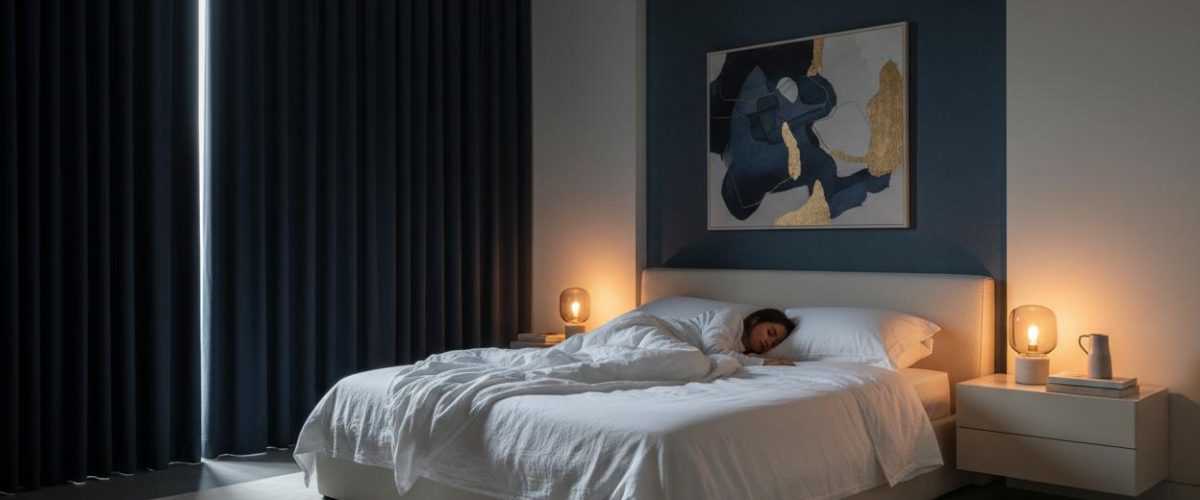
Not glamorous but extremely well supported. Core body temperature needs to drop 1-3 degrees Fahrenheit to initiate sleep. A room between 65-68°F is optimal for most people. Blackout curtains that block 100% of light are a one-time purchase that pays off every night.
Consistent Wake Time
The single most evidence-backed sleep intervention is free: wake up at the same time every day including weekends. This anchors your circadian rhythm more effectively than any supplement or device. Non-negotiable.
Morning Sunlight
Get outside within 30 minutes of waking for 10-20 minutes of natural light exposure. This sets your circadian clock and improves sleep quality that night. Also free.
What’s Overhyped
Sleep Supplements Beyond Magnesium
The sleepmaxxing community has created an entire supplement stack: L-theanine, ashwagandha, lion’s mane, reishi, melatonin, glycine, apigenin. Some of these have decent evidence. Most of the combination products are expensive and the individual effects are small.
If you want to add beyond magnesium: low-dose melatonin (0.5mg, not the 10mg most US products contain) has good evidence for sleep onset. L-theanine has modest evidence for reducing sleep latency. Everything else is largely personal experimentation.
$4,000 Smart Mattresses
Eight Sleep and Ooler are real products with real benefits — cooling your mattress surface does improve sleep quality. But you can get 80% of the benefit from a much cheaper mattress pad and a cooler room setting. The full Eight Sleep setup is worth it if you have the budget. It’s not a prerequisite for good sleep.
Elaborate Wind-Down Routines
A 2-hour wind-down routine with red lights, no screens, meditation, journaling, and supplements sounds great. But research shows the most important factors are consistency and timing — not the specific rituals. A 20-minute simple routine you actually follow beats a 2-hour elaborate routine you abandon after a week.
The Sleepmaxxing Stack I Actually Use
Here’s what I do every night, in order of evidence strength:
- Same wake time every morning (free)
- Morning sunlight within 30 minutes of waking (free)
- No caffeine after 1pm (free)
- Room set to 67°F (existing AC/heat)
- Blackout curtains (one-time purchase, ~$40)
- Magnesium glycinate 350mg, 45 minutes before bed (~$30/month)
- Phone outside the bedroom (free)
- Consistent bedtime within 30-minute window (free)
Total ongoing cost: about $30/month in magnesium. Everything else is free or a one-time purchase. The sleepmaxxing TikToks would have you spending $500/month on this stuff. You don’t need to.