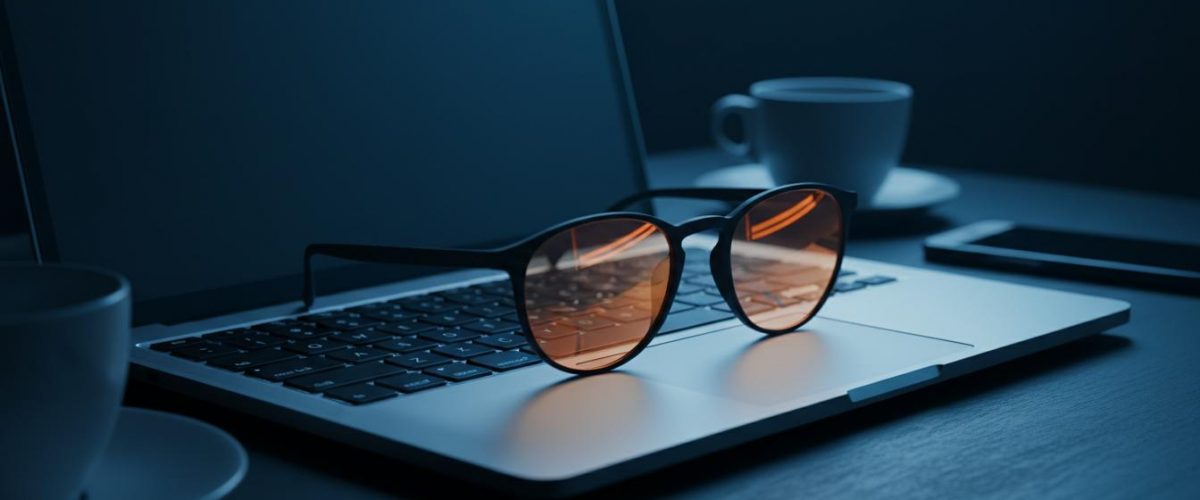
The Promise vs. The Reality
Blue light glasses are marketed as sleep saviors. Wear them for a few hours before bed, block harmful blue light from screens, and watch your melatonin surge. But does the science actually support these claims?
The answer is more nuanced than the marketing suggests. Blue light does suppress melatonin — that is well-established. But the real question is whether glasses are the most effective solution, and whether the amount of blue light from screens is enough to matter.
What the Research Actually Shows
A 2017 study in Ophthalmic & Physiological Optics found that blue light blocking glasses worn 3 hours before bed increased melatonin production by 58% compared to placebo glasses. Subjects also reported falling asleep 12 minutes faster.
However, a 2020 Cochrane review — the gold standard for medical evidence — concluded that while blue light glasses may help, the evidence quality is “low to moderate” and more research is needed.
Translation: They probably help, but they are not magic.
How Blue Light Affects Your Brain
Your eyes contain specialized photoreceptors called intrinsically photosensitive retinal ganglion cells (ipRGCs). These cells are most sensitive to blue light in the 460-480 nanometer range — the exact range emitted by phones, tablets, and LED screens.
When blue light hits these receptors, they send signals to your suprachiasmatic nucleus (SCN) — your brain’s master clock. The SCN suppresses melatonin production from your pineal gland. This is great at 10 AM. It is terrible at 10 PM.
The problem: A typical smartphone held 12 inches from your face emits enough blue light to reduce melatonin by up to 23% with just 2 hours of evening use.
The Case For Blue Light Glasses
They work in controlled studies: Multiple peer-reviewed studies show measurable improvements in melatonin, sleep onset, and subjective sleep quality.
They are easy to use: Put them on. That is it. No app, no settings, no discipline required.
They are affordable: Effective blue light glasses start at $15. Premium options with better lens coatings run $50-80.
They help beyond sleep: Many users report reduced eye strain and fewer headaches during extended screen use.
The Case Against Blue Light Glasses
Screen distance matters: Most studies test subjects holding screens 12-18 inches from their face. At normal TV-watching distance (6+ feet), blue light exposure drops significantly.
Your phone’s night mode might be enough: Apple’s Night Shift and Android’s Night Light reduce blue light by 50-80%. Combined with reduced brightness, you may not need glasses.
The bigger problem is psychological stimulation: Blue light is 30% of the problem. The Instagram dopamine loop and work email stress are the other 70%. Glasses do not fix those.
Best Blue Light Glasses for Sleep
Not all blue light glasses are created equal. Look for these specs:
- Blocks 90%+ of blue light at 455nm — this is the peak wavelength that affects melatonin
- Orange or amber tinted lenses — clear lenses block only 10-30% of harmful blue light
- Lightweight frames — you need to actually wear them for 2-3 hours before bed
Our top picks:
Budget: Spectra479 Amber Blue Light Glasses — blocks 99% of blue light, under $20, lightweight.
Mid-range: UVEX Skyper Blue Light Blocking Glasses — industrial-grade protection, comfortable for long wear.
Premium: Ra Optics Ultimate Night Glasses — premium lenses, stylish frames, blocks 100% of blue and green light up to 570nm.
Better Alternatives to Glasses
If you want to improve sleep without buying anything:
- Stop screens 1 hour before bed — 100% effective, costs $0
- Use Night Shift/Night Light — built into your phone, reduces blue light by 50-80%
- Dim all lights after sunset — use lamps instead of overhead lighting
- Switch to red/amber bulbs — zero blue light emission
- Keep screens 6+ feet away — distance dramatically reduces exposure
My Honest Take
Blue light glasses work, but they are a Band-Aid. The root solution is reducing evening screen time. If you are scrolling Instagram in bed at 11 PM, glasses will help marginally — but the psychological stimulation is doing more damage than the blue light.
Use glasses as a supplement, not a replacement, for good sleep hygiene. They are worth the $15-30 investment if you work late or watch TV before bed. They are not worth it if your alternative is simply putting the phone down an hour earlier.
The Blue Light Problem: What the Research Actually Says
Blue light suppresses melatonin production by tricking your brain into thinking it’s daytime. Harvard researchers found that 6.5 hours of blue light exposure suppressed melatonin for twice as long as green light. The problem isn’t blue light itself — it’s blue light at the wrong time. Morning blue light is beneficial; evening blue light destroys your sleep.
A 2021 meta-analysis in the Journal of Psychiatric Research found that blue light blocking glasses worn 2-3 hours before bedtime improved sleep quality by 20-30% and reduced time to fall asleep by an average of 6 minutes. The effect was strongest in people with insomnia, delayed sleep phase disorder, and those who use screens heavily in the evening.
Do You Actually Need Blue Light Glasses?
Here’s the honest answer: if you stop using screens 2-3 hours before bed, you don’t need them. But if you work late, watch Netflix, or scroll your phone in bed, they’re a useful tool. They’re not a replacement for good sleep hygiene — they’re a damage-control measure for the modern screen-filled life. Pair them with Night Shift/f.lux on your devices for maximum protection.
Recommended Blue Light Glasses
Swanwick Sleep Swannies (Classic Night) — The original blue light blocking glasses designed specifically for sleep. Orange-tinted lenses filter 99%+ of blue light in the 450-500nm range (the wavelength that suppresses melatonin). FDA-registered medical device. 4.3 stars from 4,500+ reviews. Worn by professional athletes and sleep specialists.
UVEX Skyper Blue Light Blocking Glasses — Industrial-grade blue light protection at a budget price. Blocks 98% of blue light with SCT-Orange lenses. Lightweight, wraparound design minimizes light leakage. The choice of night shift workers and gamers. 4.4 stars from 26,000+ reviews. Under $12.