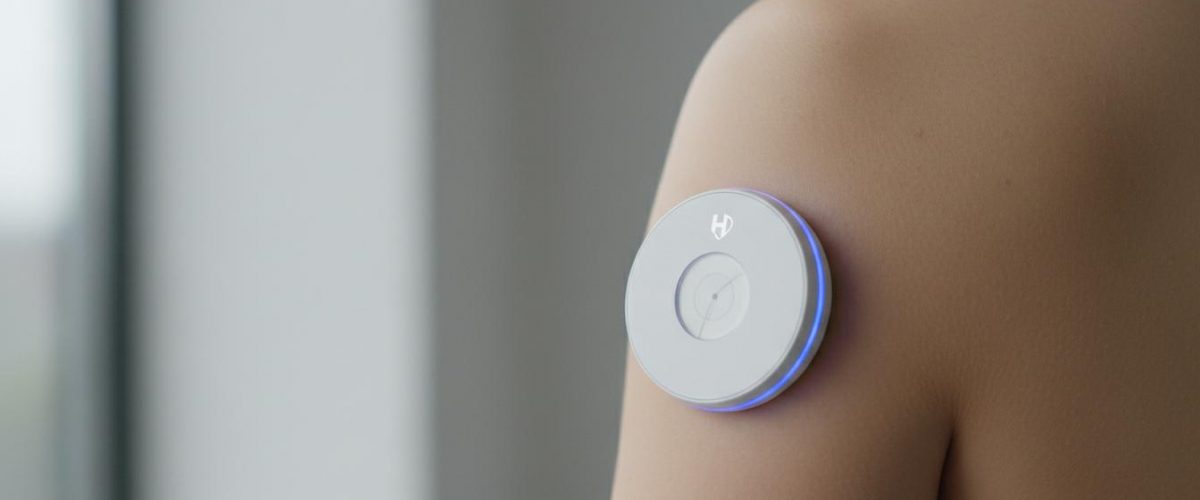
Continuous glucose monitors were invented for diabetics. Biohackers adopted them. Now they’re mainstream enough that multiple companies have launched CGMs specifically marketed to healthy people wanting metabolic insights.
I wore one for 30 days. Here’s what it actually taught me.
What a CGM Does
A CGM is a small sensor worn on the back of the upper arm that measures interstitial glucose (blood sugar in the fluid between your cells) every few minutes and streams the data to your phone. Instead of a single fasting glucose reading once a year at your doctor’s office, you get a continuous 24-hour graph of how your blood sugar responds to every meal, every workout, every stressor, and every night of sleep.
The Main Platforms
Levels Health (~$200/month) — The premium CGM service for non-diabetics. Pairs with the Dexterity or Abbott Libre sensor and provides a sophisticated app with meal scoring, pattern recognition, and metabolic coaching. The most comprehensive option but the subscription cost adds up quickly.
Stelo by Dexterity (~$99/month) — The first CGM cleared by the FDA specifically for non-diabetic adults. No prescription required. Integrates with Apple Health and Google Fit. The most accessible entry point for metabolic monitoring.
Abbott Libre Sense — Available in Europe as an over-the-counter option. Paired with sports apps rather than medical monitoring platforms. Lower cost than US alternatives.
What 30 Days Actually Taught Me
The most surprising finding: my blood sugar spiked significantly from foods I considered healthy — specifically oatmeal and fruit smoothies eaten alone. Adding protein or fat to the same foods flattened the spike dramatically. This single insight changed how I eat breakfast.
Sleep quality correlated directly with morning fasting glucose. After poor sleep my baseline glucose was measurably higher — consistent with research on cortisol’s effect on insulin sensitivity.
Exercise timing mattered. A 20-minute walk after a meal almost completely eliminated the post-meal glucose spike compared to sitting. The most actionable insight from the entire 30 days.
Is It Worth the Cost?
For one month: yes, without reservation. The personalized metabolic data you get from 30 days of CGM is more actionable than years of generic nutrition advice. You learn exactly how your unique physiology responds to specific foods — not how the average person responds.
For ongoing monthly use at $100-200/month: harder to justify for most healthy people. The insights plateau after the first month for most users. A more practical approach is to wear a CGM for one month per year — enough to identify patterns and course-correct.
The Non-Negotiable Insight
Walk after meals. This is the single highest-impact behavioral change you can make for metabolic health, it costs nothing, and a CGM makes the evidence undeniable because you can see it in real time on your phone.
Best Continuous Glucose Monitors
Wearable glucose tracking for metabolic optimization, even without diabetes. Real-time feedback on food and sleep.
View on Amazon →