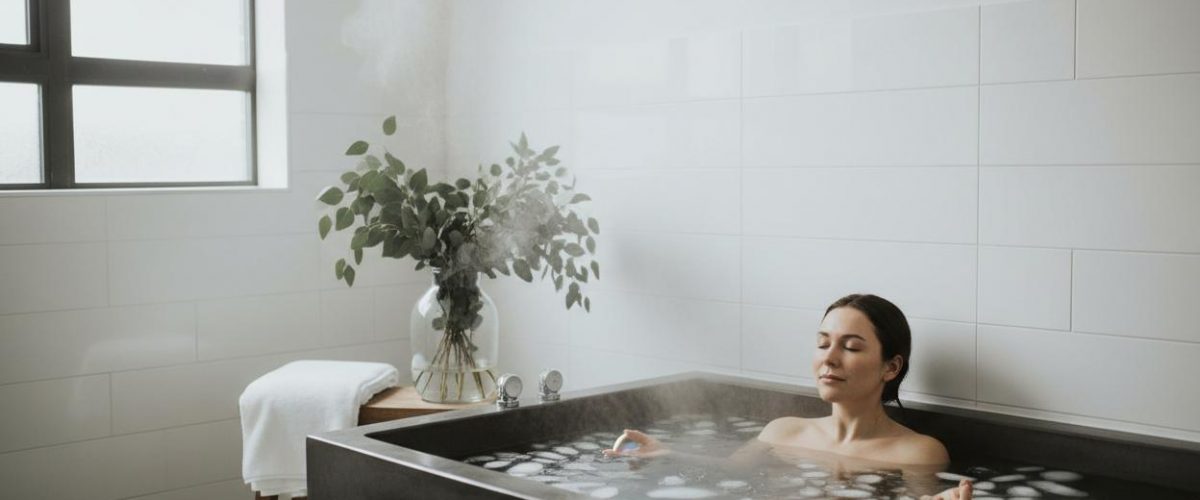
Cold showers and ice baths have moved from the fringe to mainstream wellness, driven largely by the visibility of Wim Hof and a growing body of research on the physiological effects of deliberate cold exposure. But what does the science actually say? This guide separates the verified benefits from the hype, explains the mechanisms, and provides a safe protocol for beginners.
What Happens in Your Body During Cold Exposure
When your skin hits cold water, thermoreceptors trigger an immediate sympathetic nervous system response. Norepinephrine floods your system, heart rate increases, and blood vessels constrict to preserve core temperature. This is the cold shock response. With repeated exposure, your body adapts, blunting the shock response while retaining the beneficial hormonal and metabolic effects.
The key mechanism is norepinephrine release. A 2018 study published in Neurobiology of Stress found that cold water immersion at 14 degrees Celsius increased norepinephrine by 200 to 300 percent and dopamine by 250 percent. These changes persist for hours after exposure, explaining the sustained mood and focus improvements people report.
Evidence-Based Benefits of Cold Exposure
Mood and Mental Health
The norepinephrine and dopamine response from cold exposure is comparable to the effects of some antidepressant medications. A case study series from the University of Virginia documented significant symptom reduction in patients with treatment-resistant depression who practiced regular cold water swimming. While larger controlled trials are needed, the neurochemical mechanism is well established.
Enhanced Recovery and Reduced Inflammation
Cold water immersion following intense exercise reduces muscle soreness and inflammatory markers. A 2011 meta-analysis in the Cochrane Database confirmed that cold water immersion significantly reduces delayed onset muscle soreness compared to passive recovery. The mechanism involves vasoconstriction that flushes metabolic waste and reduces inflammatory cytokine activity.
Improved Stress Resilience
Regular cold exposure trains your nervous system to handle sympathetic activation without panicking. Your heart rate variability improves, and your threshold for the stress response increases. This is hormesis, the principle that controlled stressors strengthen the systems they challenge.
Metabolic Effects
Cold exposure activates brown adipose tissue, a metabolically active fat that generates heat by burning glucose and fatty acids. Regular cold exposure increases brown fat volume and activity, which may support metabolic health and cold tolerance over time.
How to Start: The 30-Day Protocol
Week 1: Cold Showers Only
End your regular shower with 30 seconds of cold water. Focus on controlled breathing. Inhale through your nose for 4 counts, exhale for 6 counts. This prevents the gasp reflex and maintains parasympathetic tone. Do this daily.
Week 2: Extend Duration
Increase to 60 seconds of cold water at the end of each shower. Begin exposing your face to the stream directly. The trigeminal nerve in your face has dense cold receptors and activates the mammalian dive reflex, which further calms the nervous system.
Week 3: Full Cold Showers
Transition to starting your shower cold. Begin with 2 minutes total. The first 30 seconds are the hardest. After that, your body adapts and the sensation becomes manageable.
Week 4: First Ice Bath
Fill a bathtub with cold water and add 2 to 3 bags of ice. Target temperature is 10 to 15 degrees Celsius. Start with 3 minutes. Keep your hands above water if necessary, as fingers are highly sensitive and can become painful. Focus on slow nasal breathing throughout.
Safety Guidelines
- Never cold plunge alone. Cold water incapacitation can occur suddenly.
- Avoid cold exposure if you have uncontrolled hypertension, heart arrhythmias, or are pregnant. The cardiovascular stress is significant.
- Do not hyperventilate before submersion. This increases blackout risk.
- Start with showers, not plunges. Your nervous system needs time to adapt.
- Exit if you experience chest pain, severe dizziness, or numbness.
The Optimal Protocol for Regular Practice
For most people, 3 to 5 minutes in 10 to 15 degree water, 2 to 4 times per week, captures the majority of benefits without excessive stress. Morning timing is preferable as the catecholamine boost supports focus and alertness throughout the day. Avoid cold exposure immediately after strength training if your goal is muscle hypertrophy, as it may blunt some of the adaptive signaling.
Bottom Line
Cold exposure is one of the most potent free tools available for mood enhancement, stress resilience, and recovery. The science on norepinephrine and dopamine release is solid. The benefits are real but require consistency and safe progression. Start with 30 seconds of cold at the end of your shower and build from there.
Recommended Products for Cold Exposure Therapy
Home Ice Bath Tub
A 105-gallon upright cold therapy barrel designed for full-body immersion. Made from recycled plastic in the USA. The upright design allows for comfortable seated immersion while using less water than traditional tubs. Insulated to maintain cold temperatures longer.
Digital Waterproof Thermometer
ThermoPro TP50 Digital Hygrometer
Waterproof digital thermometer with probe for monitoring ice bath temperature. Accurate to within 1 degree Fahrenheit. Knowing your exact water temperature is essential for safe cold exposure practice. Target range is 10-15°C (50-59°F) for beginners.
Wim Hof Method Book
The Wim Hof Method: Activate Your Full Human Potential
The definitive guide from Wim Hof himself, covering the three pillars of his method: cold exposure, breathing, and commitment. Includes detailed breathing protocols and progressive cold exposure training programs for beginners through advanced practitioners.
Recommended Products for Cold Exposure Therapy
Home Ice Bath Tub
A 105-gallon upright cold therapy barrel designed for full-body immersion. Made from recycled plastic in the USA. The upright design allows for comfortable seated immersion while using less water than traditional tubs.
Wim Hof Method Book
The Wim Hof Method: Activate Your Full Human Potential
The definitive guide from Wim Hof himself, covering the three pillars of his method: cold exposure, breathing, and commitment.